
Floating Luxury Vinyl Flooring


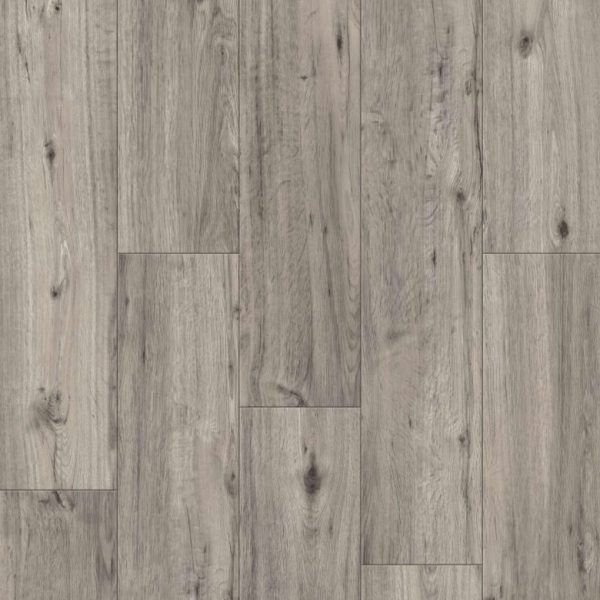
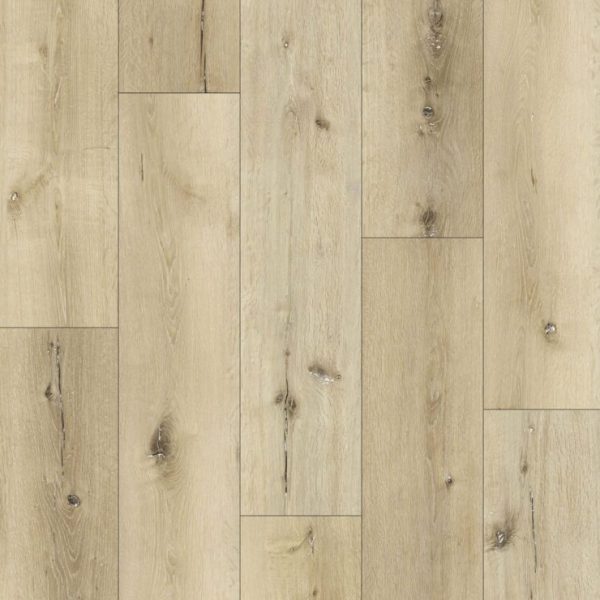



A floating floor is not glued or nailed to the subfloor. The planks lock to each other, and the finished floor rests on the subfloor as one surface. Every luxury vinyl floor on this page is made for this installation method.
How a floating floor is installed
- The planks connect with a click-lock joint along their edges and ends.
- No adhesive is used, so there is no glue to cure and the room can be used soon after the work is finished.
- A small expansion gap is left along the walls so the floor can move slightly with temperature. Baseboards or trim cover the gap.
- The planks have an attached pad, which makes the floor more comfortable underfoot and reduces footstep noise.
Why choose a floating vinyl floor
- Installation is faster than for a glue-down floor, which usually means a lower labor cost.
- The floor can be taken up later without scraping adhesive off the subfloor.
- The Stone Polymer Composite (SPC) rigid core keeps the planks flat and stable when indoor humidity changes, which matters in Florida homes.
Before installation
A floating floor needs a flat, clean and dry subfloor. Our installers in the Tampa Bay area check the subfloor and level it first where needed. We do not recommend click-lock floors under very heavy furniture or in rooms that stay cold for long periods, because both put extra strain on the joints. For kitchens and bathrooms, ask us about sealing the edges of the floor.
The planks in this collection
All products here are luxury vinyl planks, 48 inches long, 7 inches wide and 5.2 mm thick, with a 20 mil wear layer, in light brown, brown, gray and beige wood looks.
Order samples on any product page, request a free installation estimate, or call us at 727-692-5011.


