Statuario Winter Marble 12" x 24"
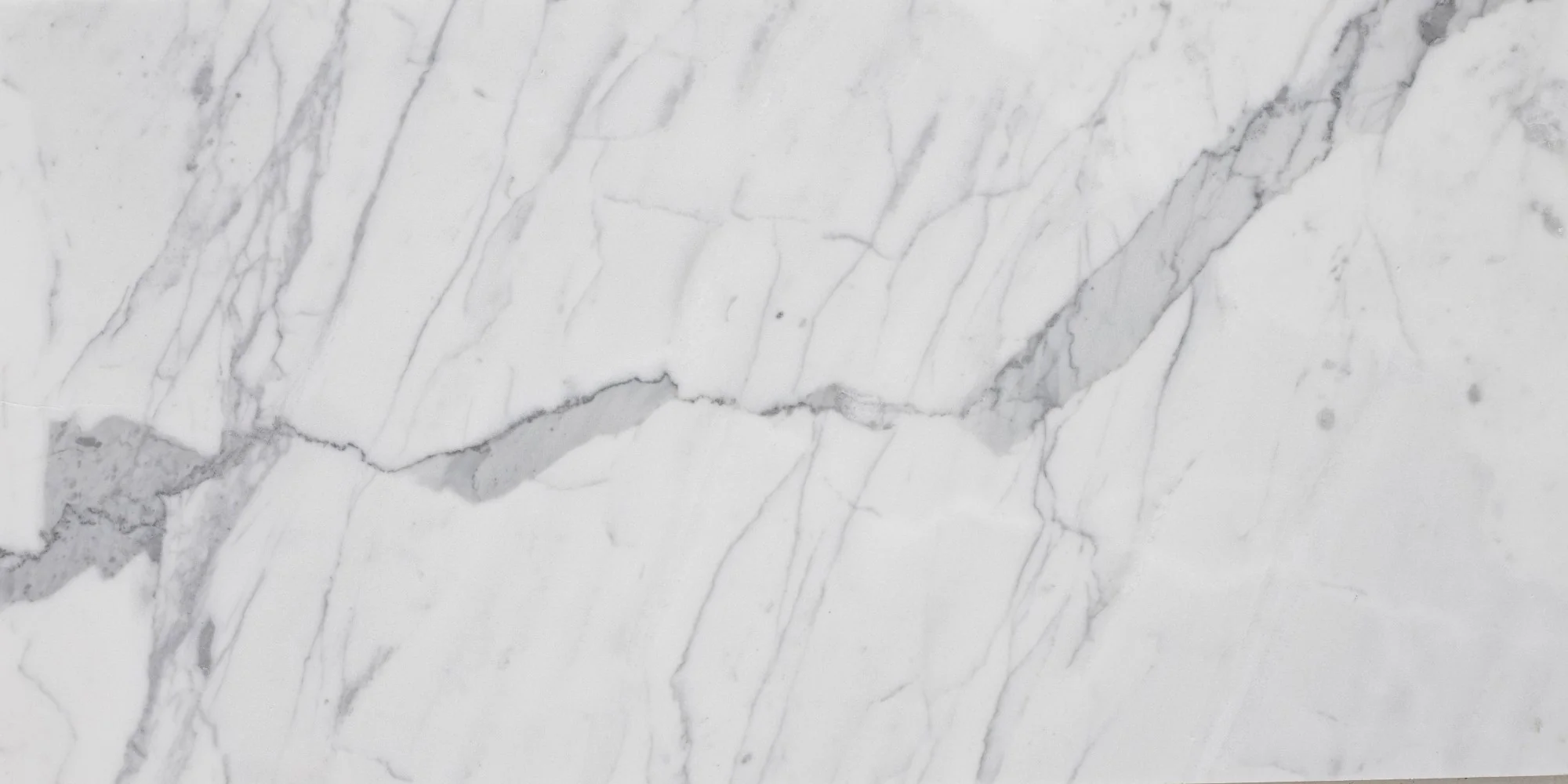
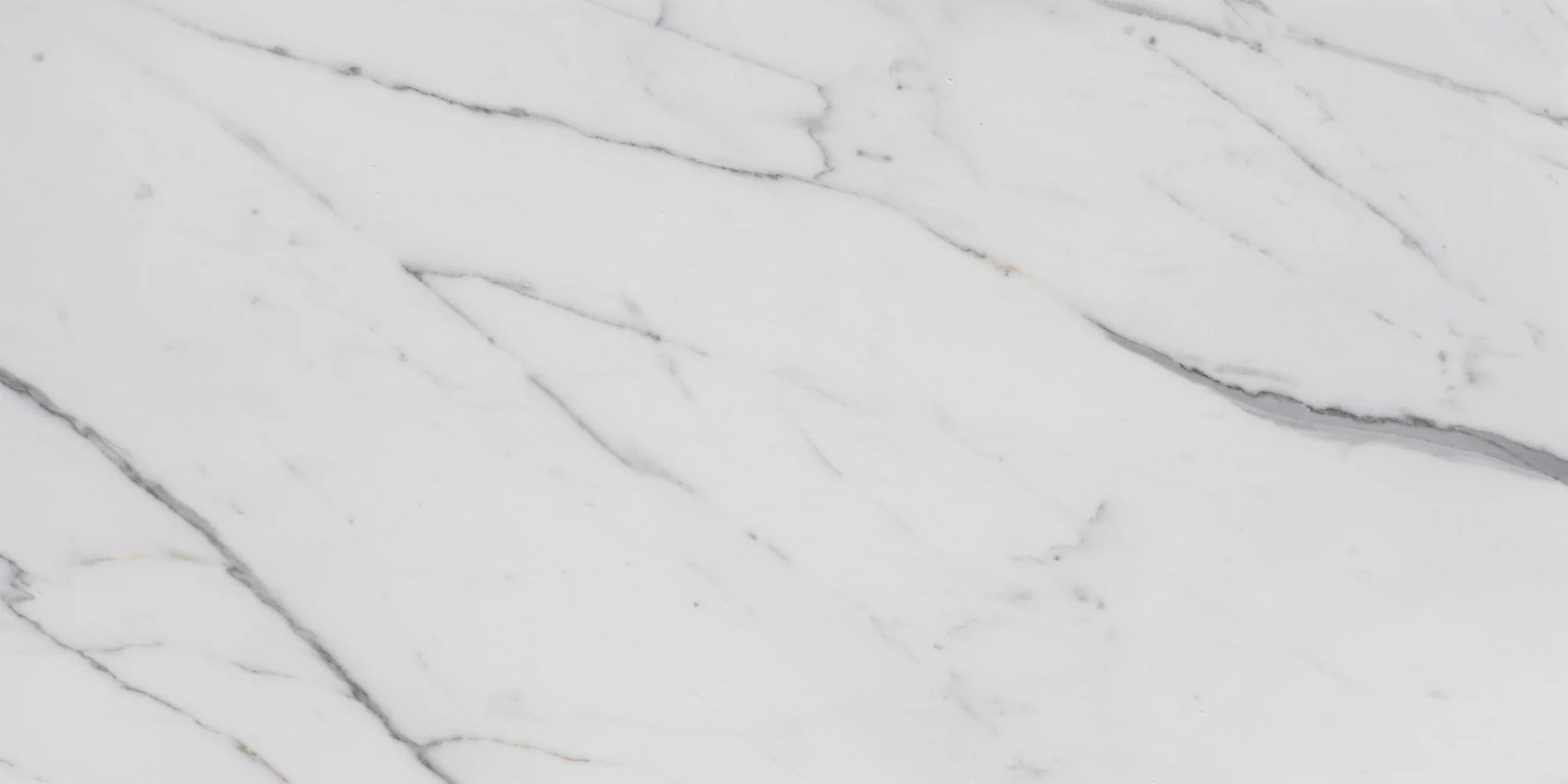
Statuario marble is one of the most prized white marbles in the world, known for its bright white background and dramatic gray veining. Its history is closely tied to the marble quarries of Carrara in the Italy Alps, where fine marble has been extracted for more than 2,000 years.
Origins in Ancient Rome
The marble from the Carrara region was already famous during the era of the Roman Empire. Roman architects and sculptors used Carrara marbles for temples, statues, baths, and monuments because the stone was relatively soft to carve yet durable once polished.
Although ancient Romans used several varieties of Carrara marble, the specific type now called “Statuario” became especially valued for sculpture because of:
- its uniform white field,
- low impurity content,
- and bold but elegant veining.
The name “Statuario” comes from the Italian word for “statuary,” reflecting its traditional use in statues and fine art.
Renaissance Importance
During the Renaissance, Statuario marble became legendary through the work of Michelangelo. He personally visited the Carrara quarries to choose blocks for sculptures such as:
- David
- Pietà
Artists preferred Statuario because the marble’s brightness and translucency gave sculptures a lifelike quality, especially when light passed slightly beneath the polished surface.
Quarrying Tradition
Statuario marble is quarried in limited zones around Carrara, especially in the Apuan Alps. Unlike more common Carrara marble varieties, true Statuario is relatively rare, which contributes to its prestige and high price.
Historically:
- blocks were cut manually with chisels and wedges,
- then transported down mountain roads by oxen and sledges,
- before modern wire-saw and diamond-cutting technologies transformed quarrying in the 19th and 20th centuries.
Modern Use
Today, Statuario marble is associated with luxury architecture and interior design. It is commonly used for:
- countertops,
- wall cladding,
- flooring,
- bathrooms,
- and statement pieces in high-end homes and hotels.
It is often compared with:
- Calacatta marble — warmer tones and larger veining,
- Carrara marble — softer gray appearance and more common availability.
Why It Remains Famous
Statuario marble remains highly valued because of:
- Rarity
- Strong visual contrast
- Historical association with Renaissance sculpture
- Origin from the renowned Carrara quarry region
- Continued use in luxury design worldwide
Even today, architects and designers consider genuine Statuario marble one of the benchmark stones for prestige interiors.


