Light Breeze Luxury Vinyl Floors
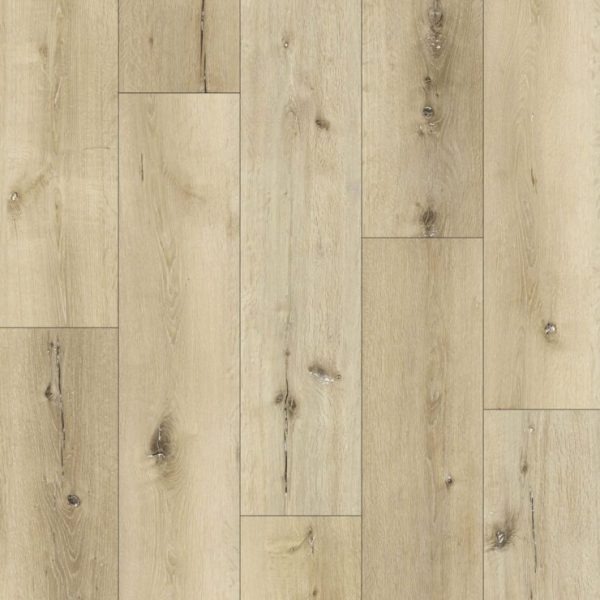
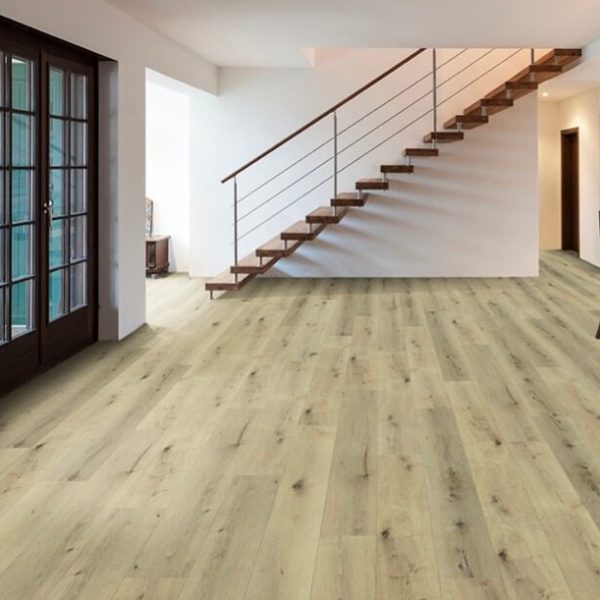
Luxury Vinyl Plank (LVP) flooring evolved from traditional vinyl flooring and became popular as manufacturers developed more realistic wood-look surfaces, stronger wear layers, and waterproof construction.
Early Vinyl Flooring (1930s–1950s)
Vinyl flooring began after the development of synthetic plastics such as polyvinyl chloride (PVC).
By the mid-20th century:
- Sheet vinyl flooring became popular in homes and commercial buildings.
- It was valued for:
- Water resistance
- Low cost
- Easy cleaning
Early vinyl floors focused more on function than realistic appearance.
Vinyl Tile Development (1960s–1980s)
Manufacturers introduced:
- Vinyl composition tile (VCT)
- Better printed patterns
- Improved durability
These products were common in:
- Schools
- Hospitals
- Commercial buildings
Wood-look designs started improving, but they still looked artificial compared to real hardwood.
Birth of Luxury Vinyl (1990s)
During the 1990s:
- Printing technology improved dramatically.
- Manufacturers created “luxury vinyl” products with:
- More realistic wood visuals
- Textured surfaces
- Thicker wear layers
Luxury Vinyl Tile (LVT) came first, followed by Luxury Vinyl Plank (LVP), which specifically mimicked hardwood planks.
Rapid Growth of LVP (2000s)
LVP became one of the fastest-growing flooring categories because it offered:
- Waterproof performance
- Lower cost than hardwood
- Easier installation
- Better scratch resistance
Major improvements included:
- Click-lock floating systems
- Embossed wood textures
- Wider/longer planks
- Enhanced durability coatings
Consumers increasingly used LVP as a replacement for:
- Hardwood
- Laminate
- Tile
SPC and WPC Technology (2010s)
The biggest advancement came with rigid-core vinyl flooring.
WPC (Wood Plastic Composite)
- Softer feel underfoot
- Better sound reduction
- Improved comfort
SPC (Stone Plastic Composite)
- More rigid and dent-resistant
- Excellent stability
- Better for heavy traffic
These technologies improved:
- Waterproofing
- Stability
- Installation over uneven subfloors
Modern LVP Flooring (2020s–Today)
Today’s LVP products feature:
- High-definition wood imaging
- Registered embossing (texture matching grain)
- Waterproof cores
- Scratch-resistant wear layers
- Attached underlayment
Modern LVP is widely used in:
- Homes
- Apartments
- Commercial spaces
- Kitchens
- Bathrooms
- Basements
Why LVP Became Popular
Waterproof Performance
One of the biggest advantages over laminate and hardwood.
Realistic Appearance
Modern printing and texture technology closely imitate:
- Oak
- Hickory
- Walnut
- Stone
Easy Installation
Most LVP uses:
- Floating click-lock systems
DIY-friendly compared to hardwood.
Lower Maintenance
Requires:
- Sweeping
- Damp mopping
No refinishing required.
Difference Between LVP and Older Vinyl
| Older Vinyl | Modern LVP |
| Thin sheet material | Thick plank construction |
| Basic printed patterns | Realistic wood visuals |
| Limited texture | Embossed textures |
| Lower durability | Heavy wear layers |
| Mostly glue-down | Click-lock systems |
LVP Today
LVP is now one of the most widely used flooring products in North America because it combines:
- Waterproof durability
- Hardwood appearance
- Comfort
- Lower cost
- Easy maintenance
It continues to compete directly with:
- Hardwood
- Laminate
- Engineered wood
- Tile flooring.


