Hunter Laminate Floors
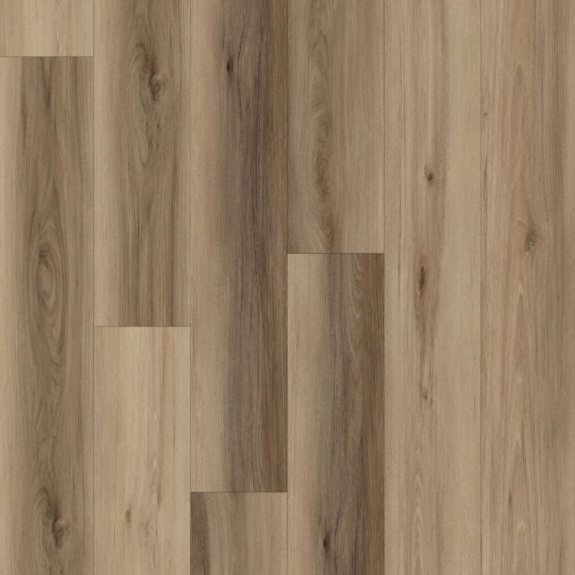
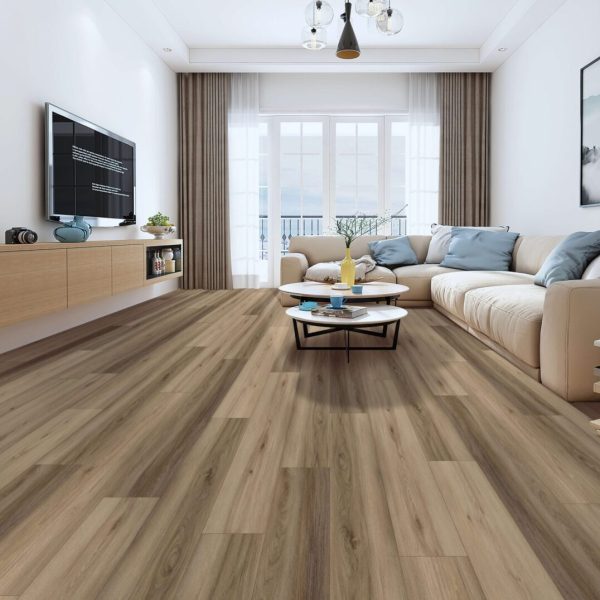
Laminate flooring was developed as a lower-cost, more durable alternative to hardwood flooring and became popular because it could imitate wood, stone, and tile while being easier to maintain.
Early Development (1970s)
Modern laminate flooring was first developed in the late 1970s by the Swedish company Perstorp, which later became associated with the flooring brand Pergo.
The idea came from adapting high-pressure laminate technology already used for countertops and furniture surfaces into flooring products.
First Commercial Laminate Floors (1980s)
In the early 1980s:
- The first laminate floors were introduced in Sweden and other parts of Europe.
- Early laminate flooring used:
- A fiberboard core
- A printed decorative image layer
- A hard transparent wear layer
These early floors were highly scratch-resistant compared to many wood floors.
Expansion Into North America (1990s)
During the 1990s:
- Laminate flooring entered the United States market.
- It became popular because it was:
- Less expensive than hardwood
- Easier to install
- Resistant to stains and fading
This decade also introduced:
- Click-lock floating floor systems
- Improved wood-look printing technology
- DIY-friendly installations
Brands such as Pergo heavily marketed laminate as a practical hardwood alternative.
Technological Improvements (2000s)
Laminate flooring improved significantly in:
- Realistic wood textures
- Embossed grain patterns
- Water resistance
- Sound reduction underlayment
- Durability ratings (AC ratings)
Manufacturers developed:
- Better locking systems
- Wider and longer planks
- Tile-look and stone-look laminate
Modern Laminate Flooring (2010s–Today)
Today’s laminate flooring often includes:
- Waterproof cores
- High-definition printing
- Textures synchronized with the printed grain
- Enhanced wear layers for pets and heavy traffic
Modern laminate competes with:
- Luxury vinyl plank (LVP)
- Engineered hardwood
- Traditional hardwood
Many consumers now choose laminate because it offers:
- Lower cost
- Easy maintenance
- Scratch resistance
- Fast installation
Basic Structure of Laminate Flooring
Most laminate flooring has four layers:
- Wear layer
- Protects against scratches and stains.
- Decorative layer
- Printed image of wood, stone, etc.
- Core layer
- Usually high-density fiberboard (HDF).
- Backing layer
- Adds stability and moisture resistance.
Interesting Fact
Although laminate looks like wood, most laminate flooring contains very little actual wood on the visible surface. The wood appearance is typically a high-resolution photographic layer beneath a transparent protective coating.


