Honey Cream Marble 6"x12"
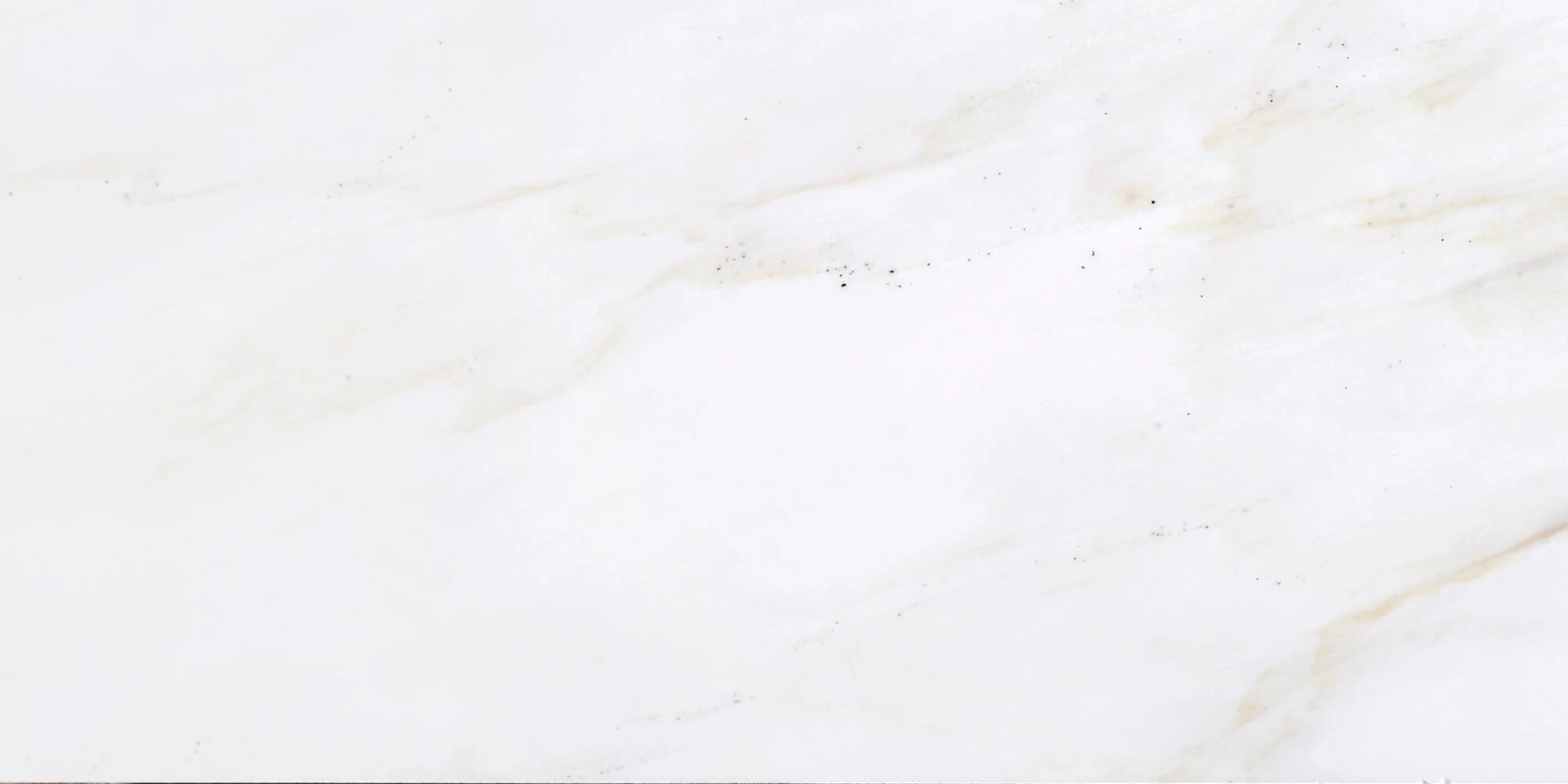
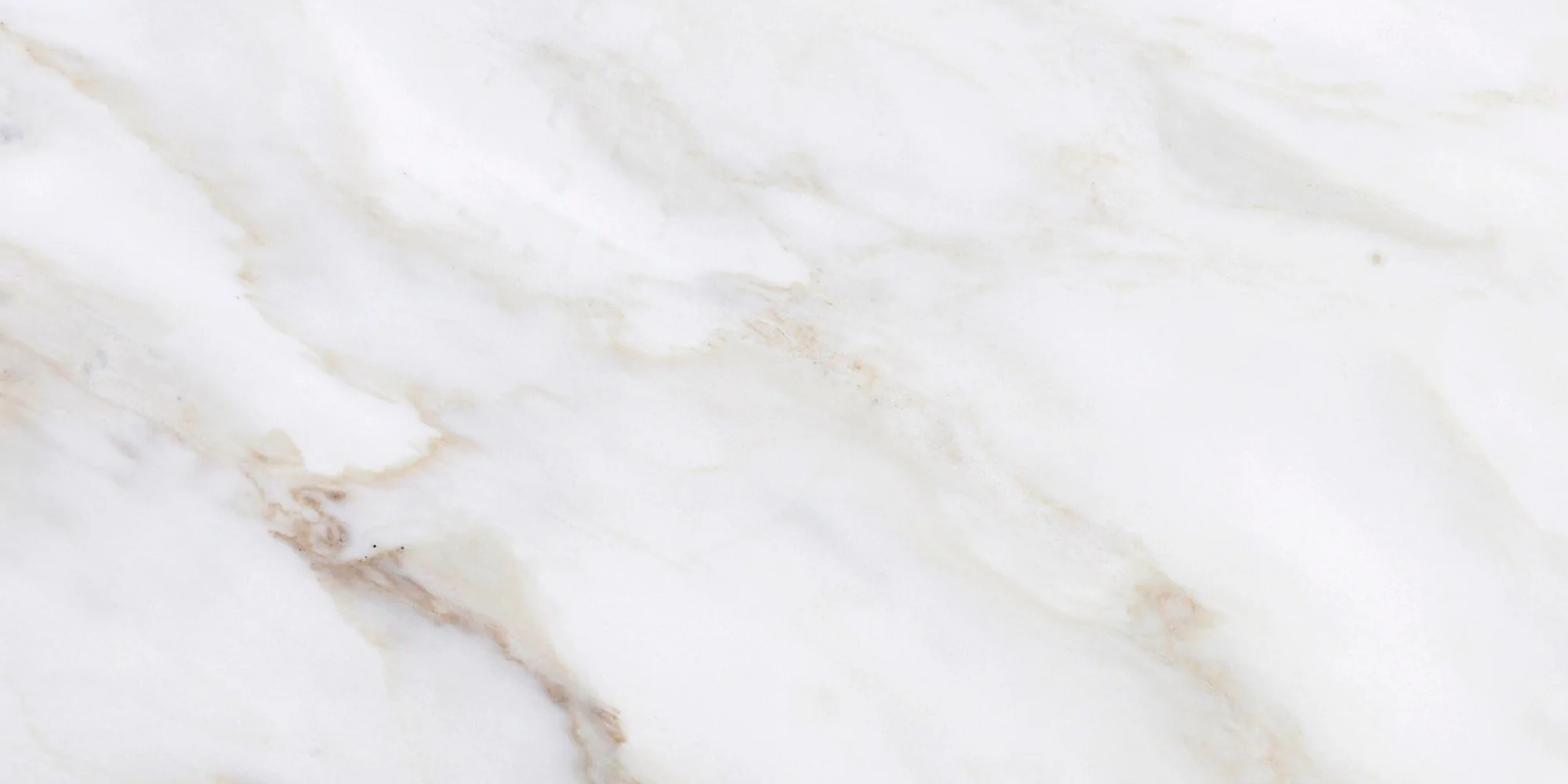
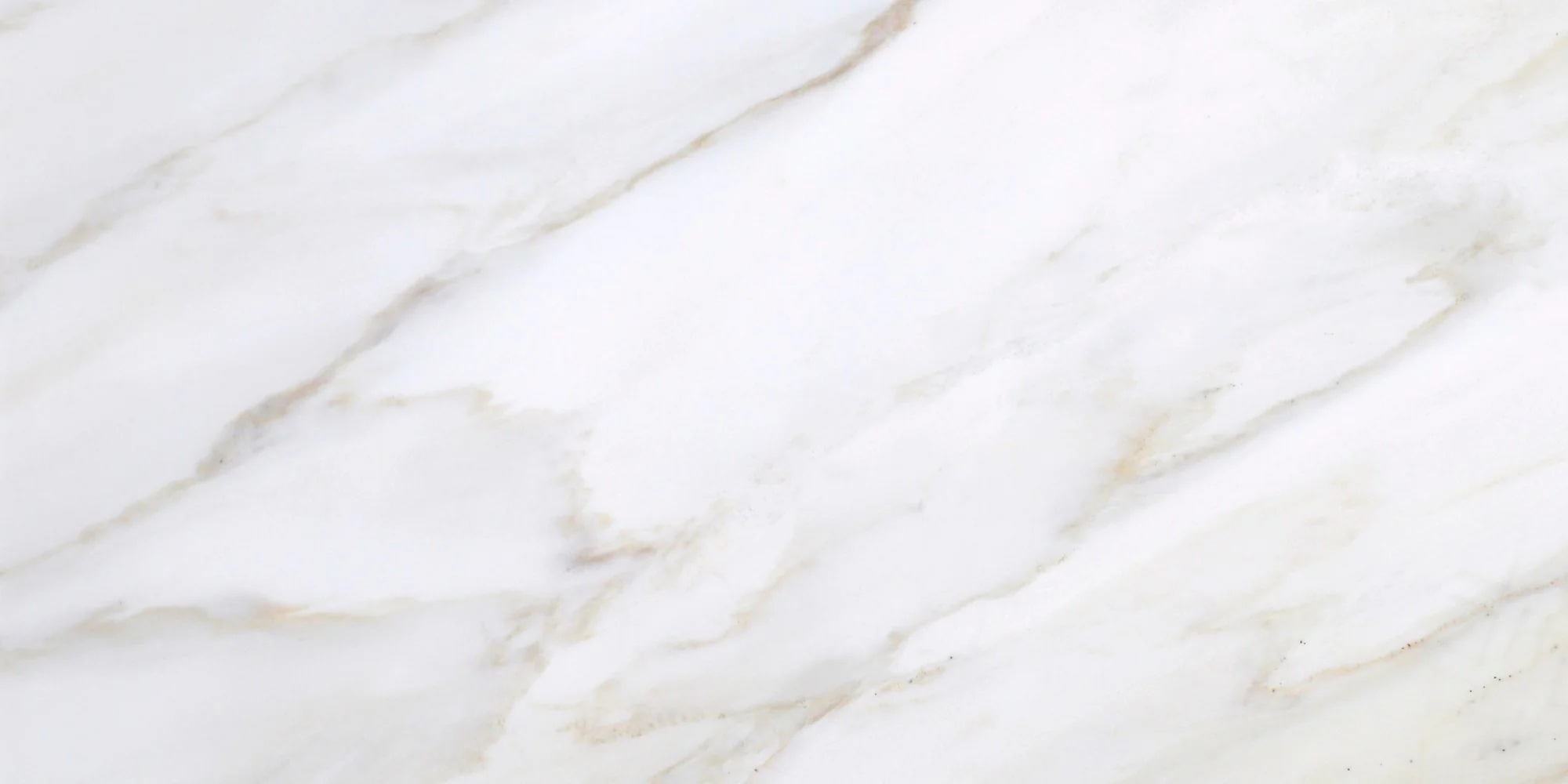
Honey Cream is a refined Italian marble with a relatively modern commercial identity, but it comes from a very old natural stone tradition in northern Italy’s marble-producing regions.
Product history of Honey Cream marble
1. Geological origin (millions of years ago)
Honey Cream began as limestone deposits formed in ancient seabeds. Over millions of years, heat and pressure transformed it into marble within the Apuan Alps region of northern Italy. This is the same geological belt that produced many famous Italian marbles.
2. Classical Roman use (ancient era)
During the Roman Empire, marble from this region was already being quarried and used in:
- temples and public buildings
- baths and villas
- monuments and sculptures
Romans valued these stones for their strength and bright, elegant appearance, which symbolized wealth and power.
3. Carrara-style quarry tradition (Middle Ages → Renaissance)
Although “Honey Cream” as a named product is more modern, its quarrying tradition is tied to the historic marble districts near Carrara and surrounding basins. During the Renaissance, marble from this region became essential for sculpture and architecture.
Artists like Michelangelo used nearby white and cream marbles for major works, helping establish the global reputation of Tuscan stone.
4. Modern identification as “Honey Cream” (20th–21st century)
The name Honey Cream is a modern commercial classification used by quarries and stone suppliers to describe a specific variety of Italian marble.
According to stone industry sources, it is:
- extracted from limited quarries in northern Italy
- characterized by an ivory-to-cream base with soft beige, gray, or gold veining
- often considered rarer than standard Carrara marble
- It is now processed into slabs and tiles for global architectural use.
5. Modern product use and evolution
Today, Honey Cream is widely used in luxury design as a finished material in:
- kitchen countertops
- bathroom walls and vanities
- flooring and stairs
- hotel and commercial interiors
- feature walls and fireplace surrounds
It is valued for its warm, soft appearance compared to higher-contrast marbles like Calacatta.
6. Contemporary design role
In modern architecture, Honey Cream is often chosen to:
- create a calm, neutral luxury aesthetic
- blend with wood, brass, and glass interiors
- provide a softer alternative to bold white marbles
It is also frequently compared with other Italian marbles and sometimes grouped under the broader “Calacatta/Carrara cream marble” family in the stone trade.


