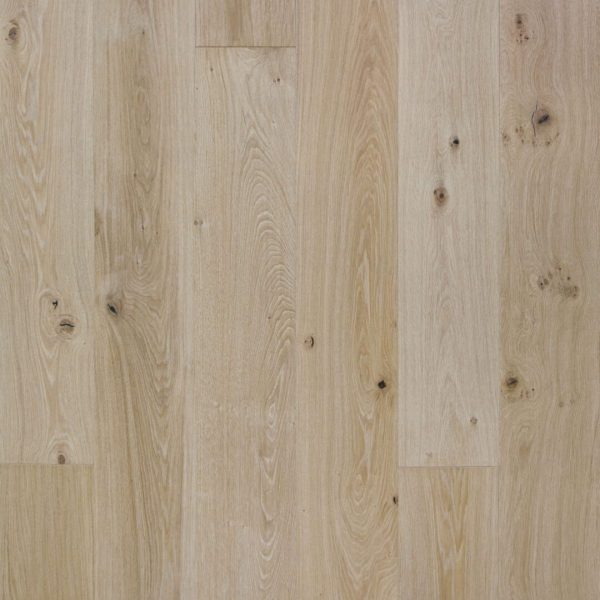
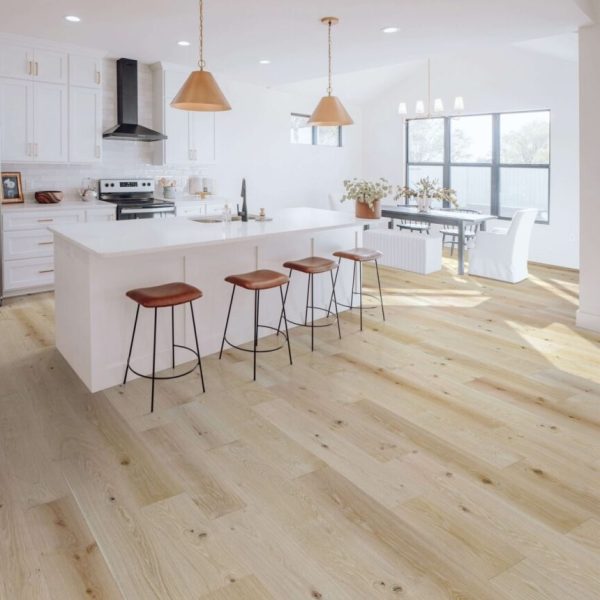
Gulf Bay Longboard Hardwood Floors
Hardwood floors have been used for centuries, evolving from rough structural planks into one of the most recognizable interior design features in homes and public buildings.
Early Origins
The earliest wooden floors in Europe appeared during the Middle Ages. In castles and homes, thick wooden planks were laid directly over joists. These floors were usually hand-hewn, uneven, and practical rather than decorative. Wealthier households sometimes polished or stained the wood, while poorer homes often left it unfinished.
By the 1600s and 1700s, hardwood flooring became more refined. Craftsmen in countries like France and England developed parquet flooring — geometric patterns made from small pieces of wood. Palaces such as Palace of Versailles helped popularize ornate wood floors among European elites.
Colonial America
In colonial North America, wood floors became common because timber was abundant. Early American homes typically used wide planks cut from pine, oak, maple, or chestnut. Floors were often unfinished and scrubbed clean with sand because varnishes and sealants were limited.
During the 19th century, industrial sawmills and improved transportation made hardwood flooring more accessible and consistent. Tongue-and-groove milling allowed boards to fit tightly together, improving durability and appearance.
The Rise of Modern Hardwood Floors
By the late 1800s and early 1900s, hardwood floors became standard in many middle-class homes. Popular woods included:
- Oak
- Maple
- Walnut
- Hickory
Decorative finishes, stains, and patterned installations expanded during this period. The invention of electric sanding machines in the early 20th century also made installation and refinishing easier.
Mid-20th Century Decline
After World War II, carpeting became fashionable in many countries, especially in suburban homes. Hardwood was often covered with wall-to-wall carpet because carpet was marketed as warmer, quieter, and more modern.
At the same time, synthetic flooring materials like vinyl and laminate emerged as lower-cost alternatives.
Hardwood Revival
Starting in the 1980s and accelerating through the 1990s and 2000s, hardwood floors regained popularity. Homeowners valued their:
- Durability
- Natural appearance
- Long lifespan
- Ability to be refinished
- Higher resale value
Engineered hardwood also became widely used. Unlike solid hardwood, engineered flooring uses a hardwood veneer over layered plywood or composite material, improving stability in humid environments.
Hardwood Floors Today
Modern hardwood flooring comes in many forms:
- Solid hardwood
- Engineered hardwood
- Reclaimed wood
- Prefinished planks
- Wide-plank and distressed styles
Sustainability has become increasingly important, with many manufacturers using certified forestry practices and reclaimed materials.
Today, hardwood floors are considered both a traditional craft and a premium architectural feature, blending centuries-old woodworking techniques with modern manufacturing technology.


