Calacatta Moon honed marble 12" x 24"
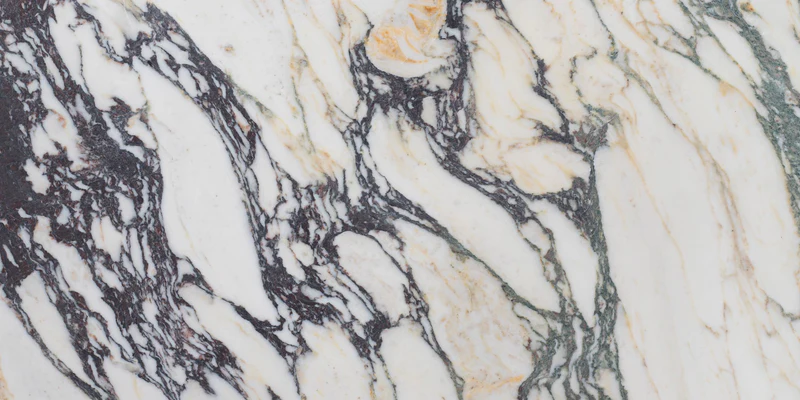
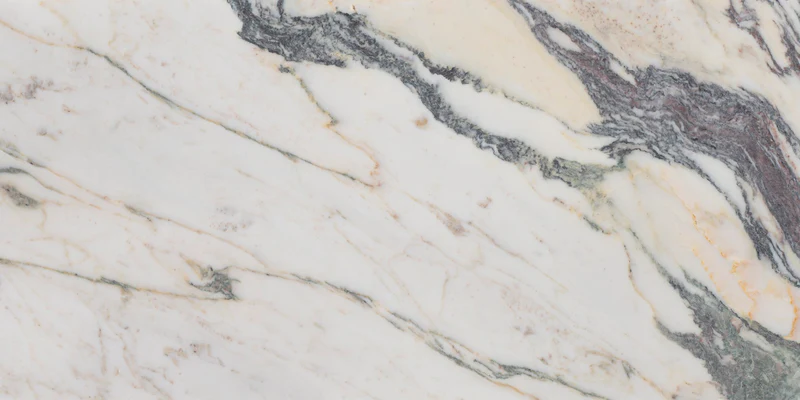
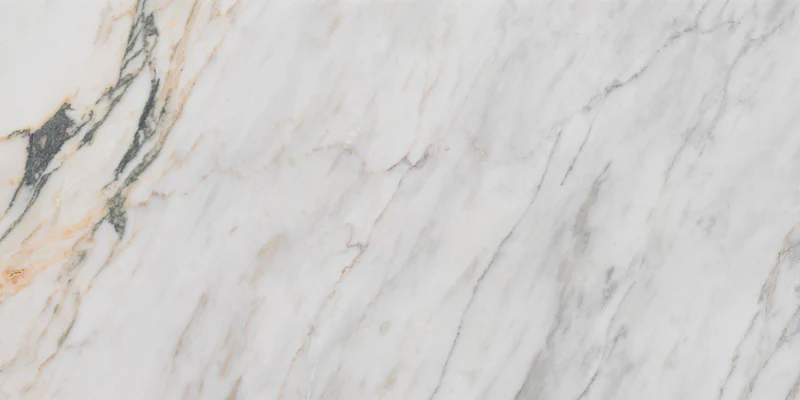
Calacatta Moon is a modern luxury variation within the broader Calacatta marble family, an Italian marble tradition rooted in the Carrara and Apuan Alps quarry regions of Tuscany. Unlike classic Calacatta Oro or Borghini, Calacatta Monet became recognized more recently in luxury interior design markets because of its painterly, artistic veining patterns.
The name “Monet” references the impressionist painting style of Claude Monet because the stone’s flowing grey, green, gold, and occasional violet veining resembles layered brushstrokes across a white canvas. Stone suppliers and Italian fabricators often describe it as one of the most artistic Calacatta variants.
Origins
Like other premium Calacatta marbles, Calacatta Moon is quarried in the Apuan Alps of Tuscany, Italy, near Carrara. The broader Calacatta quarrying tradition dates back over 2,000 years to the Roman Empire, when white marble from the region was used in temples, sculptures, and monumental architecture.
During the Renaissance, marble from these quarry systems became closely associated with Michelangelo and other Italian masters. Historical quarry contracts show Michelangelo personally sourced marble from the Carrara region for sculpture commissions.
Development of the “Moon” variety
Calacatta Moon is considered a designer-grade selection rather than an ancient named stone type. It emerged commercially as global demand increased for:
- More expressive veining
- Warmer white backgrounds
- Bookmatched slab installations
- Statement luxury interiors
Its distinctive features include:
- Bright white or creamy base color
- Fluid grey, charcoal, green, gold, or purple veining
- Strong movement across slabs
- Highly decorative “open” vein patterns
Because every slab differs dramatically, Calacatta Moon became especially popular for:
- Waterfall kitchen islands
- Full-height wall cladding
- Luxury bathrooms
- Fireplace surrounds
- Boutique hotels and designer residences
Large polished slabs can cost several thousand dollars each depending on vein intensity, rarity, and slab size.


