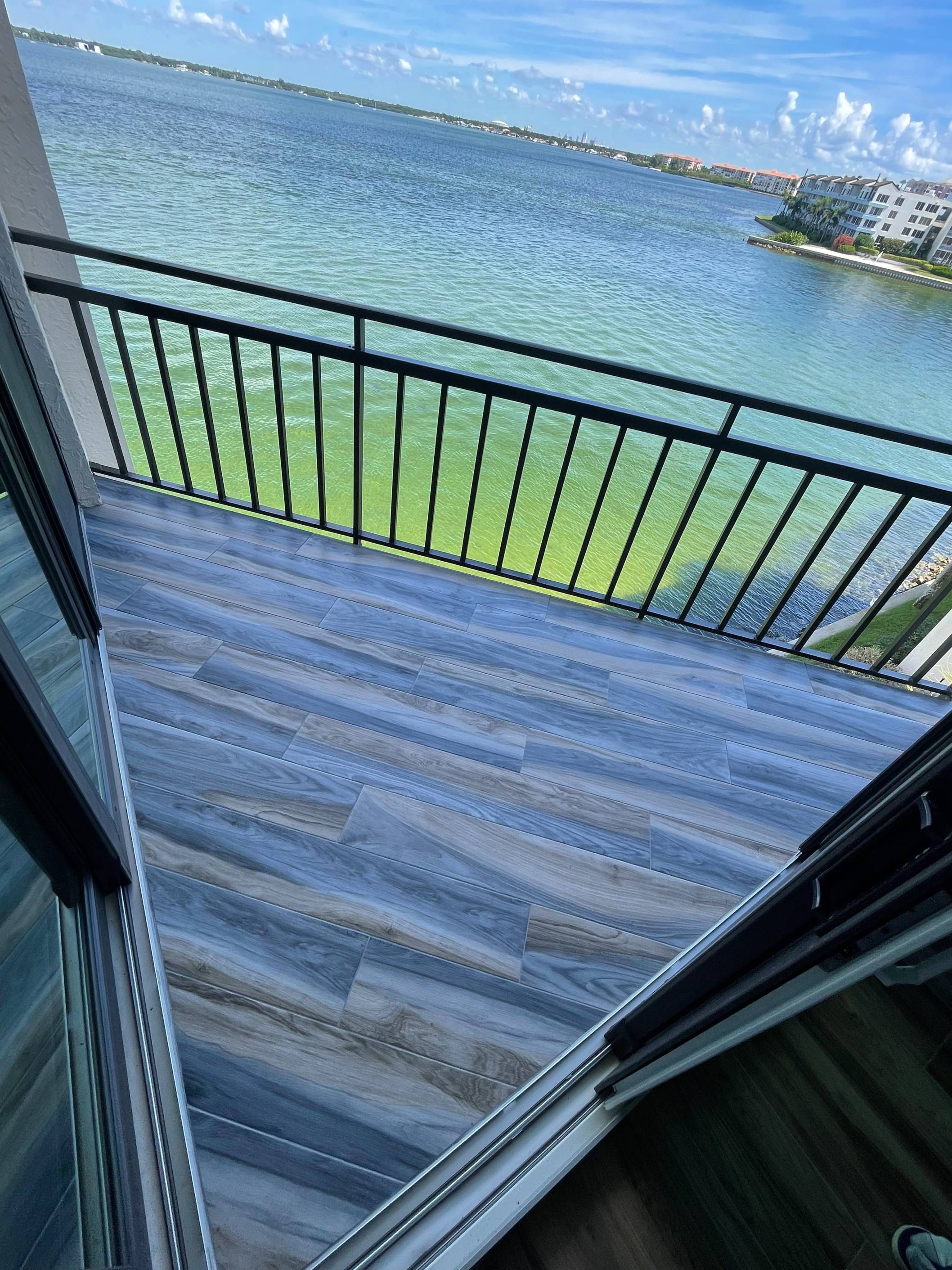
What is the difference between tile and hardwood?
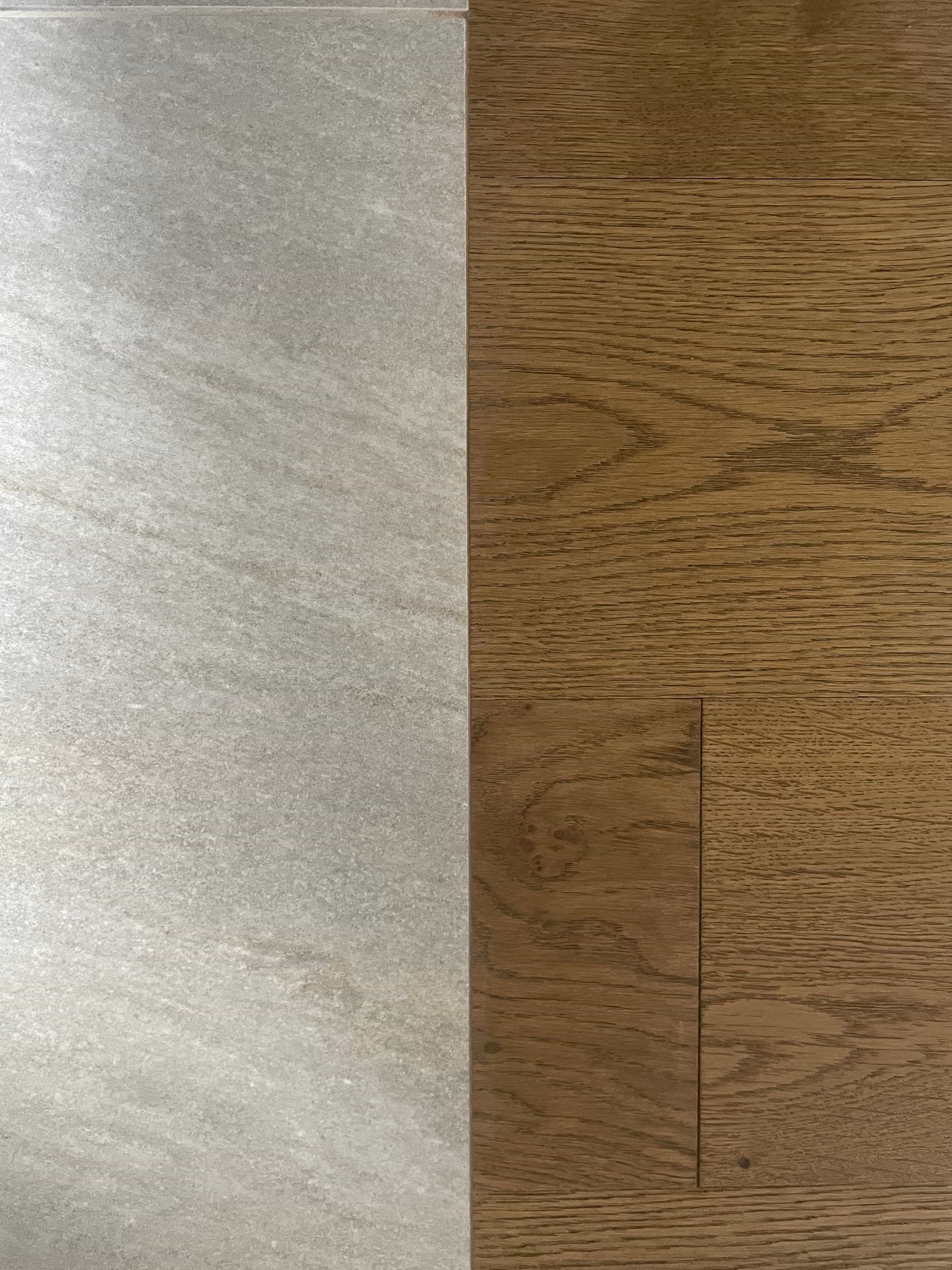
The main difference between tile and hardwood is the material and performance.
Tile Flooring and Its Advantages
Tile flooring has become one of the most popular choices for homes and commercial buildings because of its durability, style, and easy maintenance. Made from materials such as ceramic, porcelain, or natural stone, tile offers both practical and aesthetic benefits. It is commonly used in kitchens, bathrooms, living rooms, patios, and even outdoor spaces.
One of the greatest advantages of tile flooring is its durability. Tile is highly resistant to scratches, dents, and heavy foot traffic, making it ideal for busy households and public areas. Unlike some other flooring materials, tile can last for decades when properly installed and maintained.
Another major benefit is water resistance. Porcelain and ceramic tiles are especially resistant to moisture, which makes them excellent choices for bathrooms, kitchens, laundry rooms, and areas with high humidity. In warm climates such as Florida, tile is especially popular because it handles humidity and wet conditions very well.
Tile flooring is also easy to maintain. Regular sweeping and occasional mopping are usually enough to keep it clean. It does not trap dust, pollen, or pet hair easily, making it a good option for people with allergies. Stains and spills can usually be wiped away without damaging the surface.
In addition to practicality, tile offers a wide variety of design options. Tiles come in many colors, patterns, textures, and sizes. Some tiles are designed to look like wood, marble, or natural stone, allowing homeowners to achieve different styles without the maintenance requirements of those materials.
Tile is also environmentally friendly in many cases. Many tiles are made from natural materials and can help keep indoor spaces cool, reducing energy use in warmer climates. Because tile lasts so long, it does not need to be replaced as often as some other flooring types.
Despite its many advantages, tile can feel hard and cold underfoot, and installation may cost more upfront compared to some flooring options. However, its long lifespan and low maintenance often make it a cost-effective investment over time.
Overall, tile flooring is valued for its strength, beauty, moisture resistance, and versatility. Whether used in homes or businesses, it remains a reliable and stylish flooring choice for many different environments.
Hardwood Floors and Their Advantages
Hardwood flooring is one of the most timeless and elegant flooring choices for homes and businesses. Made from natural wood such as oak, maple, cherry, or walnut, hardwood floors are valued for their beauty, durability, and long-lasting appeal. They have been used for centuries and continue to remain popular in modern interior design.
One of the biggest advantages of hardwood flooring is its natural beauty. Each plank has unique wood grain patterns and rich colors that add warmth and character to a room. Hardwood floors can match many decorating styles, from traditional to contemporary, making them a versatile design option.
Hardwood floors are also known for their durability and long lifespan. When properly maintained, they can last for decades and may even increase the value of a home. Unlike some flooring materials that need complete replacement after wear and tear, hardwood floors can often be sanded and refinished to restore their original appearance.
Another important advantage is comfort. Hardwood flooring feels warmer and softer underfoot compared to tile or stone. It creates a cozy and inviting atmosphere, especially in living rooms and bedrooms. Hardwood also absorbs less dust and allergens than carpet, helping improve indoor air quality.
Hardwood flooring is relatively easy to clean and maintain. Regular sweeping, vacuuming, and occasional mopping are usually enough to keep it looking attractive. Spills can be cleaned quickly to prevent damage, and many modern finishes help protect the surface from scratches and stains.
In addition to its practical benefits, hardwood flooring offers strong resale appeal. Many homebuyers prefer hardwood because of its classic appearance and long-term value. Homes with hardwood floors are often seen as more attractive and higher quality.
There are different types of hardwood flooring available. Solid hardwood is made entirely from wood, while engineered hardwood includes a real wood surface with layered construction underneath for added stability. Engineered hardwood is especially useful in areas with changing humidity levels.
Although hardwood flooring has many advantages, it also requires proper care. Excess moisture can damage wood, and sharp objects may scratch the surface. It is usually not recommended for bathrooms or areas with constant water exposure.
Overall, hardwood flooring remains a popular choice because of its elegance, durability, comfort, and lasting value. Its timeless appearance and ability to improve the look and feel of a home make it one of the most desirable flooring options available.
Difference Between Tile and Wood Floors
Tile and wood floors are two of the most popular flooring choices for homes and businesses. Although both can improve the appearance of a space, they differ in material, durability, maintenance, comfort, and cost.
Material
Tile flooring is made from materials such as ceramic, porcelain, or natural stone. Wood flooring, also called hardwood flooring, is made from natural wood like oak, maple, cherry, or walnut.
Appearance
Wood floors provide a warm, natural, and classic look that many homeowners prefer. Each wood plank has unique grain patterns that add character to a room. Tile flooring comes in many colors, textures, and designs, including styles that imitate wood or stone.
Durability
Tile is extremely durable and resistant to scratches, moisture, and heavy foot traffic. It works well in kitchens, bathrooms, and outdoor spaces. Wood floors are also durable but can scratch, dent, or warp if exposed to excessive moisture.
Water Resistance
One of the biggest differences is water resistance. Tile handles water very well, making it ideal for wet areas. Wood floors are more sensitive to moisture and require careful maintenance to avoid damage.
Comfort
Wood floors feel warmer and softer underfoot, creating a cozy atmosphere. Tile floors are harder and may feel cold, especially during cooler weather.
Maintenance
Tile floors are generally easier to maintain because they resist stains and moisture. Regular sweeping and mopping are usually enough. Wood floors need more care, including protection from scratches and occasional refinishing.
Cost
The cost of both flooring types varies depending on the material and installation. Hardwood flooring is often more expensive, especially high-quality solid wood. Tile installation can also be costly, but tile usually lasts a very long time with minimal maintenance.
Best Uses
- Tile is best for bathrooms, kitchens, laundry rooms, and areas with high moisture.
- Wood flooring is best for living rooms, bedrooms, and areas where warmth and comfort are important.
Conclusion
Both tile and wood floors have advantages and disadvantages. Tile is durable, water-resistant, and easy to maintain, while wood floors offer warmth, beauty, and timeless style. The best choice depends on the needs, budget, and design preferences of the homeowner.